
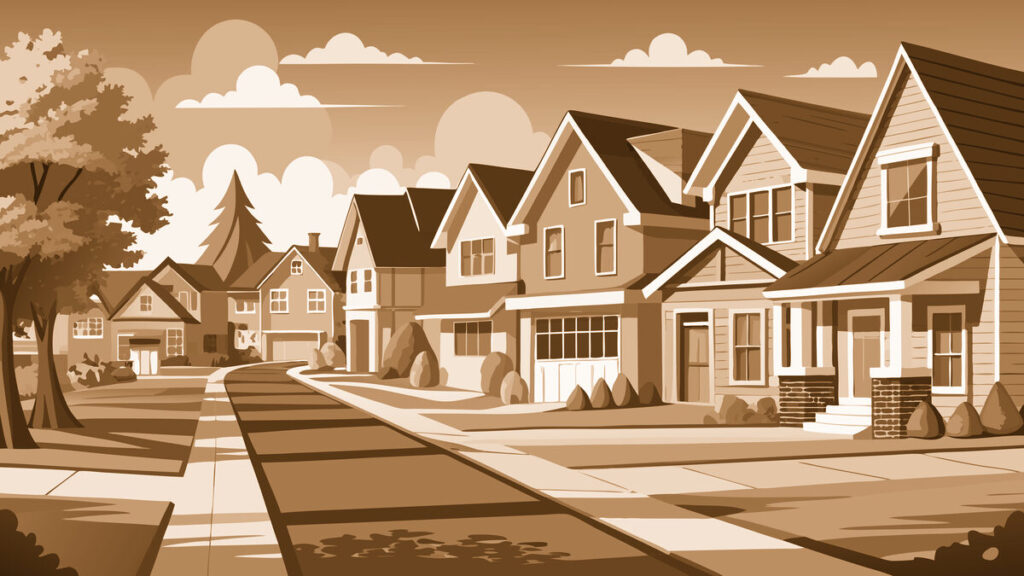
Nestled in the rolling hills of Westlake, TX, the Camelot neighborhood radiates a unique blend of storybook nostalgia and Texas heritage. For decades, Camelot has quietly flourished, boasting tree-lined streets, enduring architecture, and a welcoming spirit that has made it a cherished home for generations. Whether you’re a new neighbor or a longtime resident, the story of Camelot is as enchanting as its namesake.
The Origins of Camelot
The roots of the Camelot neighborhood stretch back to the early 1970s, a time when Westlake was on the cusp of transformation. While the wider Dallas-Fort Worth metroplex experienced rapid development, Westlake maintained its rural tranquility. Among the scattered ranchlands and oak groves, a group of visionary developers saw the potential for something special: a neighborhood that would embrace tradition, community, and the natural beauty of North Texas.
The original founders, inspired by the ideals of unity and nobility embodied in Arthurian legend, sought to create more than just a subdivision. “Camelot” was chosen as the name—a fitting tribute to the legend of King Arthur’s court, reflecting a commitment to excellence, harmony, and timeless values. Legend has it that early meetings were hosted in makeshift offices near today’s Camelot Drive, with plans sketched out over coffee and laughter.
The Story Behind the Name
Choosing the name “Camelot” was no accident. The developers hoped the neighborhood would be a sanctuary—an idyllic enclave where families could thrive, neighbors would know each other, and every home would contribute to a greater whole. Much like the mythical Camelot, this neighborhood was envisioned as a model community, underpinned by integrity and a sense of belonging. Even today, the street signs and community events reflect this whimsical homage to Arthurian legend, with names like Lancelot Lane and Excalibur Court adding a magical touch to everyday life.
Key Historical Milestones
Camelot’s development unfolded in thoughtful stages throughout the 1970s and 1980s. As homes sprang up along streets like Round Table Road and Guinevere Street, the neighborhood carefully balanced growth with the preservation of its green spaces. Pockets of native trees and meandering creeks were intentionally protected, influencing the layout that residents treasure today.
Some of the most significant milestones include:
- Formation of the Camelot Homeowners Association: In 1982, residents formalized their commitment to community by establishing an HOA, which continues to oversee beautification projects, neighborhood safety, and festive gatherings.
- Development of Camelot Park: Recognizing the importance of shared space, the community dedicated a central tract for Camelot Park in the late 1980s. The park quickly became the heart of neighborhood life, hosting everything from summer movie nights to springtime Easter egg hunts.
- Historic Preservation Initiatives: In the 2000s, as Westlake experienced a new wave of growth, Camelot’s residents united to advocate for historic preservation. Thanks to these efforts, original homes and distinctive architectural styles remain intact, giving Camelot its signature charm.
Notable Landmarks and Institutions
Camelot may be best known for its picturesque homes, but the neighborhood is also home to several noteworthy landmarks that embody its spirit.
- Camelot Park: The lovingly maintained green space at the center of the neighborhood is more than a park—it’s a gathering place for neighbors of all ages. Majestic shade trees, well-tended playgrounds, and a winding walking trail offer a peaceful retreat and stage community traditions year-round.
- The Old Stone Gate: At the entrance on Camelot Drive stands the original stone gate and sign, constructed in 1973. To this day, it greets visitors with the neighborhood’s iconic crest—a knight’s helmet and sword—symbolizing the values upon which Camelot was founded.
- Westlake Academy: Just minutes away, Westlake Academy has become a pillar of the community. Though not within Camelot’s boundaries itself, its proximity and partnership with local families play a huge role in neighborhood life, fostering a strong culture of academic excellence.
Prominent streets such as Sir Gareth Court, King Arthur Boulevard, and Avalon Way are lined with sprawling oaks, each corner echoing years of block parties, holiday parades, and spontaneous basketball games.
How Camelot Has Evolved
Over the decades, Camelot has transformed in distinct yet familiar ways. While old ranch fences have given way to manicured landscapes, the community’s heart remains unchanged. New families and long-established residents share a passion for preserving the neighborhood’s legacy while welcoming thoughtful, modern updates.
- Architectural Diversity: You’ll find everything from classic ranch homes and Tudor cottages to newer builds seamlessly integrated into the landscape, ensuring architectural harmony with a modern flair.
- Emphasis on Community: The neighborhood bulletin board—both digital and at the Camelot Park gazebo—keeps everyone informed about upcoming events, volunteer opportunities, and local news.
- Tree Canopy Restoration: In collaboration with the Town of Westlake, Camelot residents have spearheaded successful tree-planting initiatives, ensuring future generations enjoy the same leafy canopy that has long defined the neighborhood.
A Neighborhood Steeped in Heritage
Today, Camelot stands as a testament to what’s possible when vision, community, and respect for history intersect. Walk its winding streets and you’ll discover neighbors who greet one another by name, annual holiday lights that transform the lanes into a glowing wonderland, and a lingering sense that you’re part of something enduring and special.
For all who call it home, Camelot isn’t just a neighborhood in Westlake; it’s a living legacy—one rooted in heritage, warmed by community, and ever looking ahead to the next bright chapter.